Understanding game licensing at Monotype.
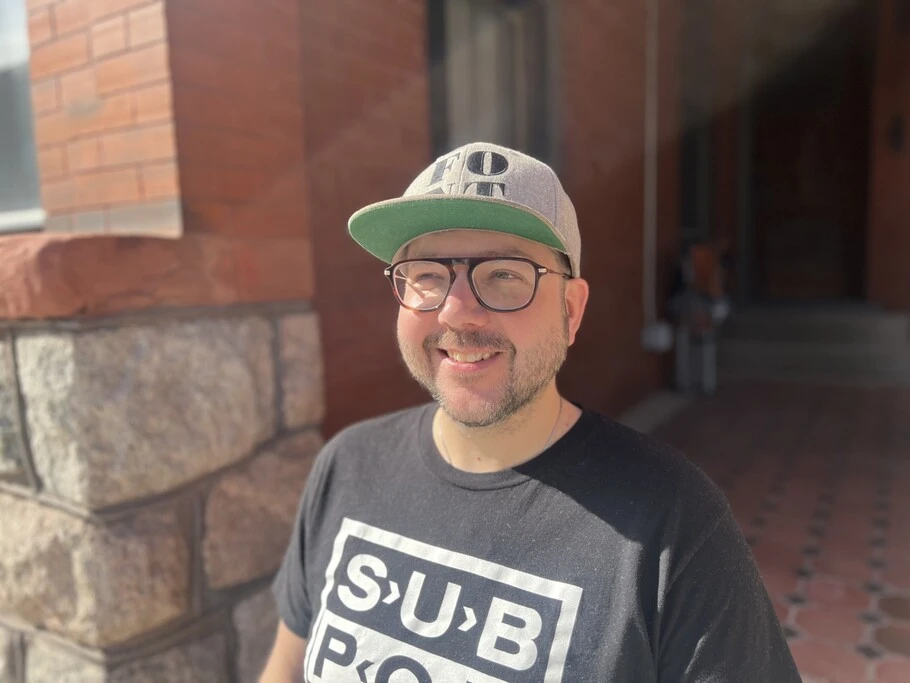
Phil Carey-Bergren, Vice President of Global Licensing and Strategy at Monotype
Across Monotype, our licensing model is designed to support different types of font users and different stages of creative work, while at the same time fairly compensating type designers.
At a high level, we operate through three complementary direct channels:
- Ecommerce (MyFonts, LETS, etc.) – designed for independent creators and designers, small teams, and straightforward workflows
- Enterprise (via Monotype directly) – broad customizable licenses designed to enable large organizations with complex, global distribution needs to create and deploy creative assets
- Agency (via Monotype or its resellers) – designed to support creative agencies working with brands throughout the creative production process
This structure allows us to keep fonts accessible and easy to use for smaller creators and designers, while also supporting the scale and flexibility required by global brands.
Why this model exists.
Our goal is to make high-quality fonts accessible to creators of all sizes and backgrounds.
To do that sustainably, licensing needs to scale with usage. Smaller teams have simple, accessible options designed for getting started, while larger organizations have licensing that supports broader use and scale.
Under this approach, independent designers and creators can get started easily and type designers are fairly compensated when their work is used at global scale.
The levers behind license design.
We use a consistent set of controls to shape licenses for our customer segments.
We look at the number of users or collaborators, the number of devices or environments using fonts, any embedding and sharing permissions, the technical scope (apps, servers, platforms), and the scale of consumption.
These licensing levers are directly tied to customer value and are how Monotype is able to fairly support customers from individuals to small teams or companies, all the way to large enterprises.
What’s new: Introducing a consumption metric.
You may have heard about some updates we’re making to our LETS product offering in Japan. LETS is a font platform and license framework that allows Japanese customers to use high-quality fonts to create designs in Japan. LETS generally doesn’t permit embedding or distribution of fonts in game titles but we offer an upgraded “LETS Game Option” to allow use in games. In updating the LETS Game Option, we’ve introduced an additional input: a consumption-based metric, defined through distribution limits. Moving forward, the LETS Game Option will cover up to ten thousand distributions per title per year.
The updated model introduces clear distribution thresholds, making it easier to understand when a project fits within the scope of the LETS Game Option and when a different licensing path is more appropriate.
What this means in practice.
For most indie developers, the expectation is that this change will have little to no practical impact. Typical indie titles are released in relatively small volumes and fall well within the new thresholds. The LETS Game Option continues to provide access to a large font library, flexibility across multiple projects, and simple and predictable pricing.
The addition of distribution limits provides a clearer boundary as projects and teams grow.
A path to scale.
Fonts are a foundational part of brand and product experiences. As projects scale to global audiences it is standard practice across the industry for licensing to reflect that scale.
When a project reaches a larger audience or requires broader deployment, we provide next steps to grow with you. MyFonts app licensing covers low-complexity global distribution scenarios and custom enterprise agreements for large-scale or complex use cases can be sourced directly via Monotype.
This allows developers to start with a simple model and transition seamlessly as their needs evolve, ensuring that high-quality type continues to be developed and supported.
Closing.
The licensing updates are intended to provide greater clarity, align licensing with real-world usage, and ensure a sustainable ecosystem for both creators and type designers.
Our goal remains the same: to make fonts accessible for independent creators, while providing clear and scalable pathways as projects grow.
We appreciate the continued engagement from the community and remain committed to transparency and support at every stage of the creative process.
Phil Carey-Bergren is Vice President of Global Licensing and Strategy at Monotype. He works on making font licensing clearer and more practical, so it reflects how designers actually use type. With more than a decade in the industry, he helps turn complicated legal terms into straightforward guidance for creative teams.


