How global organizations maintain brand fidelity across channels.
Brand consistency gets harder as brands get bigger.
Global organizations maintain brand fidelity across channels by building systems that make brand standards easy to apply across teams, regions, partners, and platforms. This requires centralized access to approved assets, clear governance, localization support, workflow integration, and automated controls that help teams use the right typography in the right context. The goal is not rigid sameness, but a brand experience that feels consistent, recognizable, and adaptable wherever it appears.
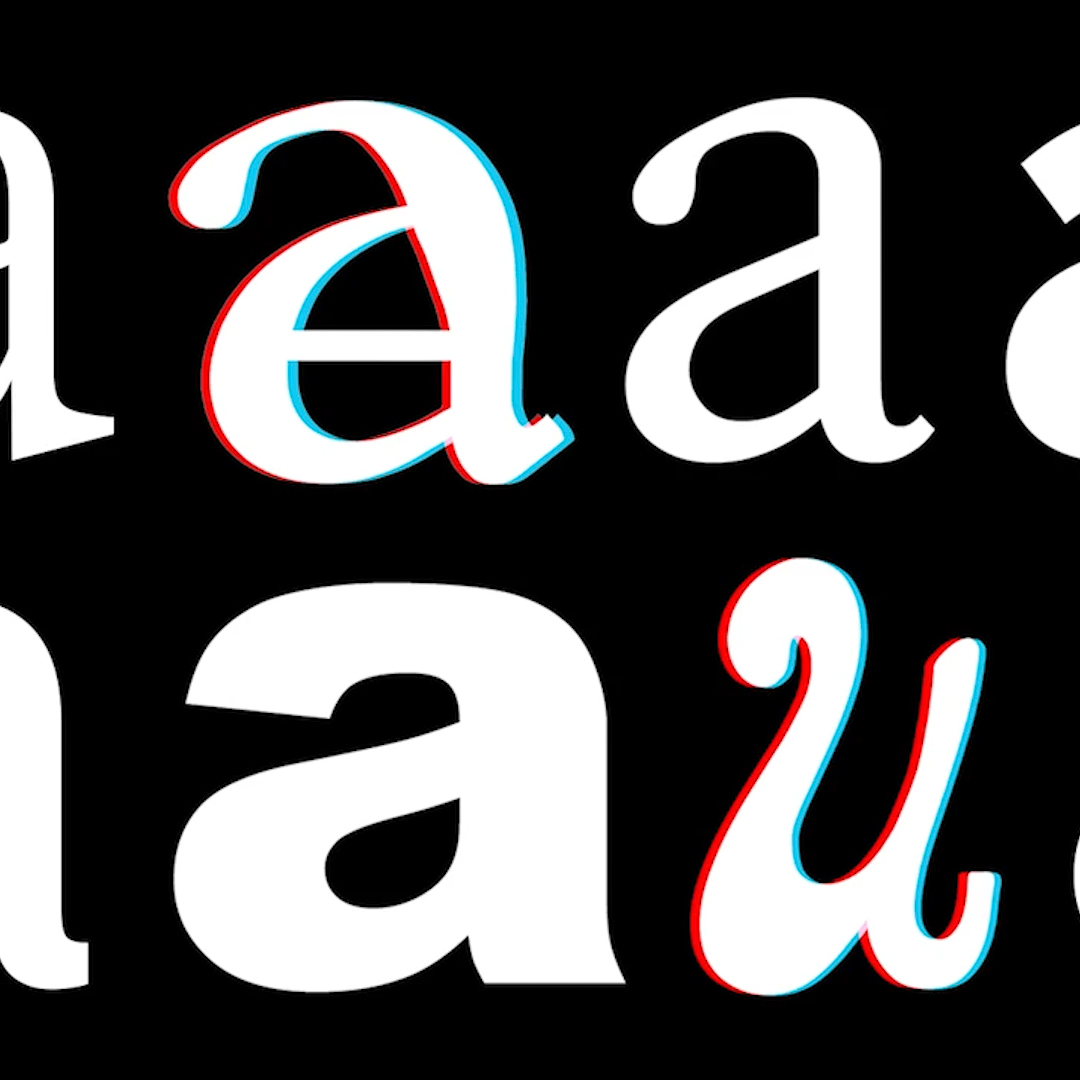
A global brand can be clear in the brand book and still appear inconsistent in the world.
You might adapt a campaign for a local market, or ship an app update with a slightly different font weight, use an older design file from an agency, or build a deck from a legacy template.
In the moment, each choice feels practical. Over time, and across globally diverse teams, those small decisions can pull the brand out of alignment. That is the challenge of brand fidelity at scale.
Brand fidelity is not rigid sameness. It is the ability to show up recognizably, repeatedly, and appropriately across every market, channel, team, product, and partner. A strong global brand needs consistency, but it also needs enough flexibility to work across languages, cultural contexts, platforms, and production environments.
Guidelines help define that standard. Systems help make it real.
Brand fidelity means consistency plus adaptability.
For global organizations, the goal is not to force every piece of your brand into the same shape. It is to protect the core identity while giving local teams enough structure to adapt with confidence.
That balance matters because brand work rarely moves in a straight line. It moves through creative teams, regional teams, agencies, product groups, legal reviews, procurement processes, development environments, marketing platforms, CMS systems, and sales tools.
Typography moves through all of it. A typeface may begin as a brand decision, but at enterprise scale, it becomes an operational dependency. It has to be properly licensed, easy for the right teams to access, able to support the right languages, and reliable across all brand touchpoints.
That is where brand fidelity often breaks: not in the idea of the brand, but in the systems that carry it.
Why global brand consistency breaks.
Most enterprise organizations already have brand guidelines. Many also have design systems, templates, asset libraries, and brand portals. Still, inconsistencies appear because global brand execution depends on more than documentation.
It depends on whether every team can find, access, license, deploy, and use the right assets in the right context. Common breakdowns include:
- Regional teams creating practical workarounds when approved typography does not support a local language or use case
- Agencies relying on older files from previous projects
- Product teams managing fonts differently from marketing teams
- Creative teams wasting time resolving missing fonts, substituted weights, and version conflicts
- Legal and procurement teams lacking visibility into which licenses cover which uses
- Brand teams depending on manual design review to catch problems after work is already in motion
These are not signs that teams do not care, they are simply signs that the brand system is asking people to do too much manual work.
When the system is fragmented, teams make practical choices to solve the immediate problem in front of them. The cost comes later, when the brand starts to feel less unified.
Regional inconsistencies are usually a systems problem.
It’s easy to frame regional inconsistencies as a local discipline issue. But in many global organizations, regional teams are solving real problems: language coverage, cultural fit, local compliance, production timelines, vendor access, and tool differences.
When approved fonts are hard to access, regional teams find another way to keep work moving. A type system without the right script support invites local workarounds. Unclear licensing slows decisions or pushes teams around the process. And when governance cannot keep pace with production, deadlines tend to decide the outcome.
Central teams need visibility and control. Regional teams need speed and room to adapt.
The goal is not to favor one over the other. It is to build a system that supports both.
How leading brands maintain fidelity across channels.
Global brand fidelity depends on an operating model that connects central standards with local execution. The most mature organizations build systems that make the approved choice the easiest choice.
That usually requires three shifts.
1. Centralize the source of truth.
Fonts should not live in email threads, desktop folders, agency archives, old servers, or one-off downloads. A centralized font system gives teams, agencies, and partners a trusted place to find approved typography.
This matters because brand teams cannot govern what they cannot see. Centralization creates visibility into which fonts exist, who can access them, which versions are approved, and how they are being used.
With Monotype Connect, teams can organize, deploy, and govern fonts across regions, tools, and workflows. Monotype Connect also acts as a single source of truth for brand typography, helping teams share approved fonts across design, IT, agencies, and partners.
The goal is simple: fewer loose files, fewer substitutions, fewer questions about what is approved.
2. Distribute execution without losing control.
Global brand systems work best when local teams are empowered, not constrained. Teams need approved fonts available where the work already happens in their design tools, templates, brand systems, and production workflows. The same governed library should also extend to agencies and partners, so everyone works from current, approved assets instead of scattered archives.
When typography is integrated into day-to-day workflows, consistency becomes less dependent on memory and manual policing.
The Monotype and Frontify integration is one example of this direction: bringing Monotype Connect directly into a brand-management platform so creative and marketing teams can access and manage brand typography where guidelines and templates already live. For global brands, that kind of connection matters. It brings the brand system closer to the work itself.
3. Automate governance where possible.
Manual governance does not scale well across thousands of assets, teams, and touchpoints. Brand teams can review high-priority work, but they cannot personally inspect every presentation, product interface, campaign file, regional adaptation, and partner handoff. By the time brand inconsistency reaches review, it may already have created rework, delay, or risk.
Automated governance helps close the gap between what guidelines say and what actually ships. That can include project risk scanning, license visibility, permission settings, version control, auto-activation, reporting, and workflow controls that help teams use the right fonts from the start. These controls do not replace creative judgment. They remove unnecessary friction around access, licensing, and deployment.
The best governance is often quiet. It works in the background so teams can move faster with more confidence.
See it in action.
Global brand fidelity looks different depending on the organization, but the operational pattern is similar: reduce fragmentation, give teams access to the right typography, and make consistency easier to maintain across markets and channels.
-
Kenvue
Kenvue worked with Monotype to move from fragmented font management to a centralized, governed typography system designed to reduce risk, improve efficiency, and strengthen brand consistency across 165+ countries.
Explore the Kenvue story -
MediaMarktSaturn
MediaMarktSaturn partnered with Monotype to turn a creative vision into a scalable typographic system, with licensing and implementation support across retail, packaging, digital platforms, and international campaigns.
See MediaMarktSaturn’s results -
Toddle
Toddle teamed with Monotype to support multilingual growth, improve design and development workflows, and maintain a cohesive visual identity across regions and languages.
Discover Toddle’s strategy
Typography is the connective tissue of brand fidelity.
Typography is one of the most repeated brand assets in any enterprise. It appears in campaigns, websites, apps, packaging, presentations, product interfaces, social posts, documentation, and internal communications. That repetition gives typography power.
When type is consistent, it reinforces recognition. It makes the brand feel familiar across channels, even when the message, format, or market changes. When type is fragmented, the opposite happens. The brand may still be recognizable, but it feels less deliberate.
Audiences may not name the issue. They may not say, “That was the wrong font weight.” But they can feel when something is off. For enterprise brands, that feeling matters. Trust is built through repeated, consistent experiences. Typography helps carry that repetition across every place the brand appears.
This isn’t news to creative professionals. Typography has been this complex for years; it’s the operational layer connecting guidelines to execution that never had a name, or an owner. We call that layer Typographic Operations.
The TypeOps approach.
Typographic Operations, or TypeOps, is the practice of managing typography as an enterprise system. It connects font access, licensing, governance, deployment, workflows, and cross-functional ownership, so typography works consistently at scale.
TypeOps is not about making creative work more rigid. It is about making brand execution more reliable.
A mature TypeOps model helps organizations:
- Centralize approved font access
- Clarify licensing and usage rights
- Standardize versions, weights, and formats
- Support localization and language needs
- Integrate typography into design, product, and production workflows
- Give agencies and partners controlled access to approved assets
- Reduce manual troubleshooting, rework, and compliance uncertainty
- Streamline automated creative audits and design reviews across teams and regions
- Make governance easier for brand, creative, IT, legal, procurement, and product teams
In other words, adopting a TypeOps framework turns typography from a scattered asset into a managed capability.
That shift is especially important for brands operating across multiple regions, sub-brands, agencies, and digital platforms. The more complex the organization, the more typography needs an operational foundation.
What to look for in a scalable brand fidelity system.
A strong system for global brand fidelity should help teams answer practical questions quickly:
- Where are the approved fonts?
- Which versions should teams use?
- Who has access?
- Which licenses cover which use cases?
- Do the approved fonts support the languages and scripts each region needs?
- Are agencies and partners working from governed assets?
- Are web, app, desktop, and presentation workflows aligned?
- Can brand teams detect risk before work ships?
- Can regional teams adapt without fragmenting the brand?
If those questions are hard to answer, brand consistency will depend on individual effort. And individual effort is not a scalable operating model.
Global brands need systems that make fidelity more repeatable.
Build a brand system that can travel.
A brand does not stay in one place. It travels through markets, teams, platforms, devices, partners, and production environments. To maintain fidelity, the system behind the brand has to travel with it.
That means moving beyond static guidelines toward operational infrastructure: centralized access, shared governance, workflow integration, licensing visibility, and automation that supports the realities of global execution. The result is not a brand that looks identical everywhere. It is a brand that feels unmistakably itself everywhere.
Consistent enough to build recognition. Flexible enough to meet the moment. Governed enough to scale.
That is how global brands maintain fidelity across channels.
Ready to see where your typography system stands?
Explore how Monotype can help your teams centralize font access, improve licensing visibility, support regional workflows, and strengthen brand consistency at scale.