What is typography governance — and why does it matter?
When typography is unmanaged, costs, risks, and inconsistencies multiply. Learn how governance helps you take control.
Typography governance is the framework that helps organizations manage fonts consistently, securely, and efficiently at scale. By defining ownership, access, licensing, deployment, and usage standards, it prevents font chaos and protects brand consistency. As part of a broader Typographic Operations approach, governance helps connect every stage of the typography lifecycle — from discovery and activation to deployment and ongoing management.
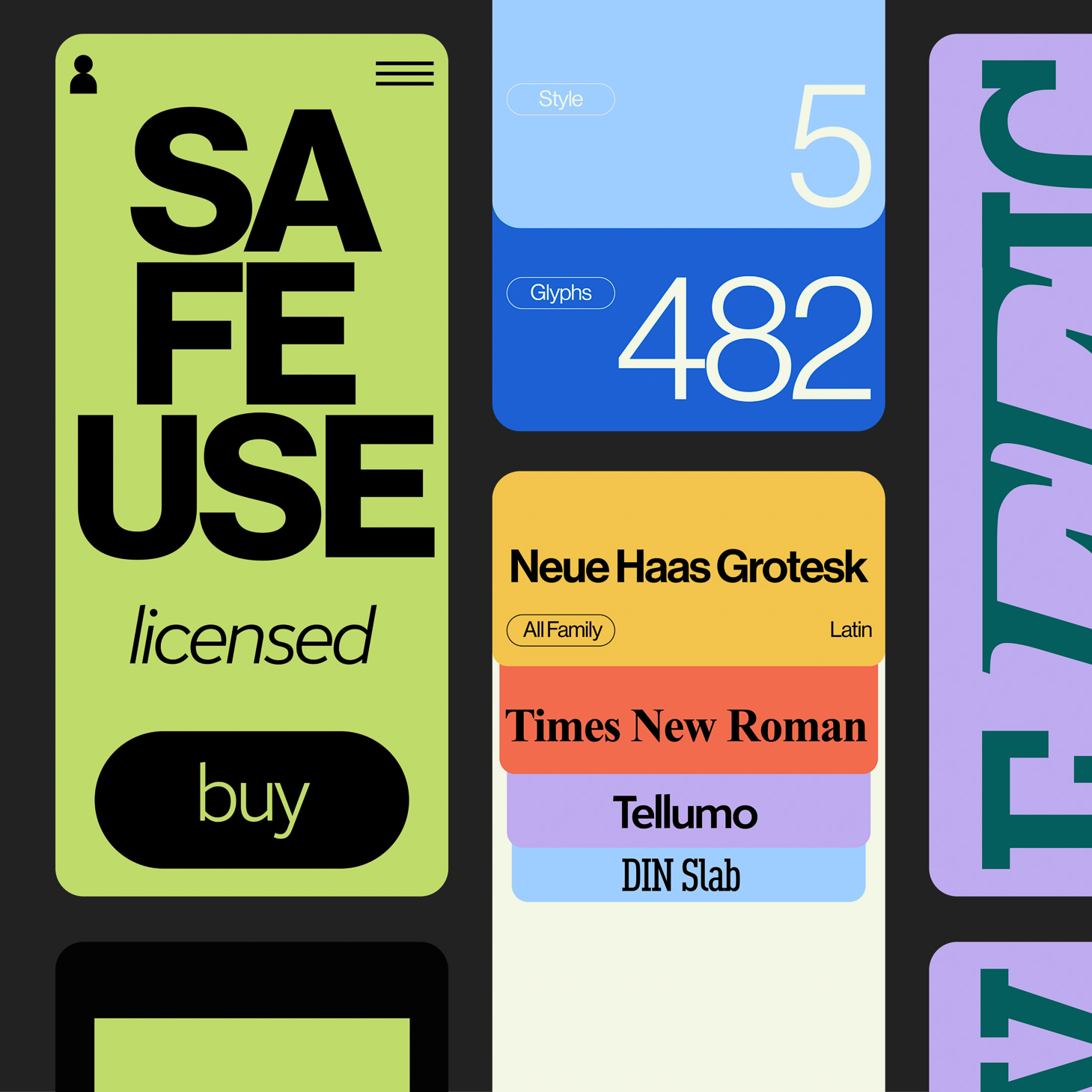
Typography is one of the few brand assets that appears almost everywhere. It shapes your marketing campaigns, websites, product interfaces, presentations, emails, packaging, documentation, advertising, and countless other customer touchpoints. As your organization grows, the fonts you use must work across different teams, operating systems, creative applications, design systems, digital products, websites, and production workflows.
Without a structured approach, typography quickly becomes fragmented. Teams store font files locally, agencies work from outdated versions, licensing records become difficult to trace, and inconsistencies begin appearing across customer experiences. What begins as a creative asset quickly becomes a major operational headache.
This is where typography governance comes in. Typography governance is the system of rules, ownership, access, licensing, deployment, and reporting that ensures fonts are used consistently, legally, and efficiently across your organization. In an enterprise environment, typography governance helps you maintain brand consistency, reduce font-related risk, improve workflows, and ensure approved typography is available wherever work happens.
Typography governance, defined.
Typography governance defines how typography is managed throughout its lifecycle: from approving typefaces and controlling access to maintaining licensing records, distributing font files, supporting teams, and monitoring usage. Put simply, it turns typography from a collection of files into a managed enterprise asset.
Typography governance is not the same as brand guidelines.
Typography governance is often confused with brand guidelines or font management. While they are connected, they solve different problems. Brand guidelines explain what typography should look like. Typography governance determines how that typography is controlled, accessed, deployed, and maintained.
-
Brand guidelines
Define how typography should look, when it should be used, and how it supports your brand identity.
-
Typography governance
Defines how typography is controlled, accessed, licensed, deployed, monitored, and maintained.
-
Font management
Enables teams to organize, activate, sync, and distribute font libraries efficiently.
-
Typographic Operations
Connects governance, discovery, selection, activation, deployment, management, and operational control into one enterprise operating model.
Think of the relationship this way:
- Brand guidelines define the vision.
- Typography governance establishes the rules.
- Font management enables day-to-day execution.
- TypeOps connects every stage of the typography lifecycle.
Brand guidelines define intended usage. Governance ensures your teams can access approved fonts, use them correctly, maintain current versions, and comply with licensing requirements.
Without governance, even the strongest brand standards become difficult to implement consistently.
Why typography needs governance at enterprise scale.
Small teams can often manage typography informally. A handful of designers may share font files directly or store them in shared folders, and while this may be workable, it’s rarely the most efficient approach. Even in smaller organizations, precious time can be lost searching for the right files, checking versions, confirming licensing, and more.
And as your business grows, those inefficiencies multiply: typography is used by hundreds or thousands of employees, agencies, contractors, developers, regional teams, and production partners across multiple tools, markets, and channels.
Without governance, font decisions become decentralized, teams create workarounds, approvals become inconsistent, and visibility into typography usage disappears.
The complexity increases in multiple ways:
- More users and external partners. Marketing teams, developers, product teams, agencies, and external partners all need reliable access to approved fonts. Without this, outdated files, substitutions, and unnecessary revisions can slow down projects.
- More tools and production environments. Typography now exists across creative applications, design systems, websites, apps, presentations, and customer experiences. Governance ensures approved fonts remain consistent wherever your teams create and publish.
- More regions. Global organizations often require different scripts, languages, and local adaptations. Governance helps teams support regional needs while maintaining brand consistency.
- More licensing complexity. Enterprise font licensing can span desktop, web, apps, products, packaging, broadcast, and regional deployment. Governance provides visibility into what is licensed, where fonts can be used, and who manages those rights.
- More pressure to move quickly. When teams spend time searching for fonts, requesting installations, confirming licensing rights, or correcting inconsistencies, creative work slows down. Effective governance removes these barriers while keeping typography consistent and compliant.
The 7 components of typography governance.
Effective typography governance establishes clear standards for every aspect of typography usage, from approved fonts and licensing requirements to ownership, access, deployment, and ongoing monitoring. Let’s go through the components:
-
01
Approved font standards.
Defines which typefaces, weights, styles, and formats are approved for different use cases, including brand communications, digital products, campaigns, presentations, packaging, and regional adaptations. Clear standards help teams make consistent decisions without slowing creative work.
-
02
Ownership and decision rights.
Establishes who is responsible for approving new typefaces, managing exceptions, renewing licenses, introducing new font families, and retiring outdated assets. Clear ownership prevents duplicated effort and ensures typography evolves intentionally.
-
03
Access and permissions.
Ensures teams know where to find approved fonts, how to activate them, and what they are permitted to access. Centralized access reduces reliance on shared folders, email attachments, and locally stored files.
-
04
Licensing and usage rights.
Maintains visibility into font licenses, usage rights, renewal requirements, and approved environments. This gives creative teams confidence while helping Legal and Procurement manage compliance.
-
05
Version control and file integrity.
Ensures everyone works from the latest approved font files. Version control prevents teams from unknowingly using outdated or modified versions.
-
06
Deployment and workflow integration.
Makes approved fonts available across the tools and systems where teams work, from creative applications and design systems to websites, apps, and production workflows.
-
07
Reporting and monitoring.
Tracks font usage, identifies gaps, supports audits, and understands whether governance processes are working effectively over time.
Together, these components create a framework that helps your organization manage typography as a scalable enterprise capability.
Signs your typography governance is breaking down.
Many organizations don’t recognize a typography governance gap until it begins affecting projects, timelines, consistency, or compliance.
Common signs include:
- Designers aren’t sure where to find approved fonts. Without a centralized source of truth, font files end up scattered. Creative teams spend time searching for shared folders, requesting files from colleagues, or checking whether the version they have is still current.
- IT receives repeated installation requests. Instead of providing controlled, self-service access, IT becomes responsible for responding to recurring font installation, activation, or troubleshooting requests.
- Agencies submit work with missing or substituted fonts. External partners often work from outdated libraries or substitute fonts when approved assets aren’t readily available, creating unnecessary revisions before launch.
- Product and Marketing teams use different typography. Digital products, websites, campaigns, and presentations gradually drift apart because each team manages typography independently.
- Legal and Procurement can’t confirm usage rights. When licensing records are spread across contracts, emails, procurement systems, and individual departments, answering simple questions about approved usage becomes unnecessarily time-consuming.
- Regional teams improvise local solutions. Markets working in different languages or scripts may adopt alternative typefaces because approved fonts or language support aren’t clearly documented.
- Brand inconsistencies are discovered too late. Rather than preventing issues, teams only identify typographic inconsistencies during final reviews, or after assets have already been published.
- Rebrands stall. When no one knows exactly where fonts are being used, replacing legacy typography across campaigns, products, documentation, and digital experiences becomes significantly more complex.
- Design systems and marketing assets drift apart. The typography defined in design systems gradually diverges from the typography used in campaigns, presentations, websites, or customer communications, weakening brand consistency over time.
Individually, these issues may seem manageable. Together, they create operational overhead, increase rework, and make maintaining a consistent brand significantly more difficult.
Who should own typography governance?
Typography touches almost every part of your enterprise, which means no single team can govern it effectively alone. Successful governance requires effective collaboration. The roles below illustrate a typical governance model, though responsibilities may vary depending on your organization’s size, structure, and operating model:
-
Brand and Creative Leadership
Defines your typographic identity, approved typefaces, and visual standards.
-
Creative Operations
Embeds governance into workflows, manages adoption, supports agencies, and helps teams work from approved assets.
-
IT and Security
Manages access, permissions, integrations, deployment, and secure distribution.
-
Legal and Intellectual Property
Helps interpret licensing agreements and reduce usage risks.
-
Procurement
Supports vendor management, renewals, spending visibility, and license consolidation.
-
Design Systems and Product teams
Ensures typography is implemented consistently across digital experiences.
-
Regional teams
Support language requirements, accessibility needs, and local adaptations.
Typography governance is a shared operating model that enables every team to work confidently within clear standards.
How typography governance supports creative freedom.
Governance is sometimes misunderstood as a system of restrictions. In reality, effective governance should have the opposite effect. Governance is not about restricting creativity; rather it removes the uncertainty, delays, and administrative barriers that prevent teams from doing their best work.
When approved typography is easy to discover, activate, and use, your teams spend less time searching for files, confirming licensing rights, or fixing inconsistencies, and by extension, more time creating.
Effective governance means:
- Designers know which fonts are approved and safe to explore.
- Teams can access approved libraries without unnecessary delays.
- Agencies collaborate from a trusted source of truth.
- Legal and Procurement can answer licensing questions faster.
- Regional teams can adapt typography confidently.
Rather than making creative work smaller, effective governance makes approved creative choices easier to find, safer to use, and faster to deploy.
Typography governance checklist.
Ask yourself:
If several of these questions are difficult to answer, your organization may benefit from a more structured approach to typography governance, and a broader TypeOps operating model.
Keep exploring.
Explore how TypeOps connects governance with discovery, activation, deployment, management, and ongoing control to help enterprise teams manage typography more effectively.
Frequently asked questions.
Typography governance is the system of rules, ownership, access, licensing, deployment, and reporting that ensures fonts are used consistently, legally, and efficiently across an organization.
Typography governance matters because fonts move across many teams, tools, partners, platforms, and markets. Without governance, organizations face missing fonts, inconsistent brand execution, unclear licensing, rework, delays, and unnecessary operational risk.
No. Brand guidelines define how typography should look and feel. Typography governance defines how those standards are managed, accessed, licensed, deployed, monitored, and maintained across real workflows.
Font management usually focuses on organizing, accessing, or distributing font files. Typography governance is broader: it includes standards, ownership, rights, permissions, deployment, reporting, and lifecycle control.
Typography governance is cross-functional. Brand defines the system, Creative Ops manages adoption, IT supports access and deployment, Legal and Procurement manage rights and vendors, and Product or Design Systems teams implement typography in digital environments.
Good governance gives creative teams clear access to approved fonts, fewer licensing questions, fewer production blockers, and safer ways to explore typography. It creates guardrails that make creative work faster and more confident.
An enterprise needs typography governance when fonts are used across multiple teams, regions, agencies, products, platforms, or license types — especially when access, rights, versions, or usage are difficult to track.
Typography governance is a core part of TypeOps. TypeOps is the broader operating model that connects font discovery, selection, activation, deployment, management, and governance so typography can scale across the enterprise.